
ASME A17.1 Overview
ASME A17.1, the Safety Code for Elevators and Escalators, is a comprehensive standard governing design, construction, and inspection of vertical transportation. The 2025 edition expands scope to include escalators, dumbwaiters, andother equipment, reflecting modern technology and safety advancements.
Evolution of the Code
ASME A17.1 began as a 1974 safety framework for passenger elevators, establishing baseline criteria for structural integrity, mechanical reliability, and basic electrical safeguards. Subsequent revisions incorporated microprocessor controls, advanced braking systems, and mandatory inspection intervals, setting a precedent for ongoing compliance monitoring.
The 1990s saw harmonization with ISO 25745, adding energy‑efficiency measures and a formal annex for accessibility. The 2007 edition expanded scope to include escalators and dumbwaiters, and introduced a modular Part structure—Parts 1, 2, and 3—covering general, electric, and mechanical requirements.
In 2016, the revision aligned with CSA B44-16, adding IoT connectivity, predictive maintenance, and advanced fire‑suppression systems. It also standardized metric units and clarified terminology, ensuring global applicability of the safety code across diverse jurisdictions.
The 2025 edition introduced Part 4, dedicated to software validation and cybersecurity risk assessment, while the 2026 update refined provisions on data privacy, cloud‑based monitoring, and interoperability standards. These changes keep ASME A17.1 a living, adaptive safety framework for modern vertical transportation.
The code’s evolution reflects a commitment to safety, technology, and inclusivity. By integrating new engineering practices and digital tools, ASME A17.1 ensures elevators, escalators, and related equipment remain reliable, secure, and accessible worldwide.!
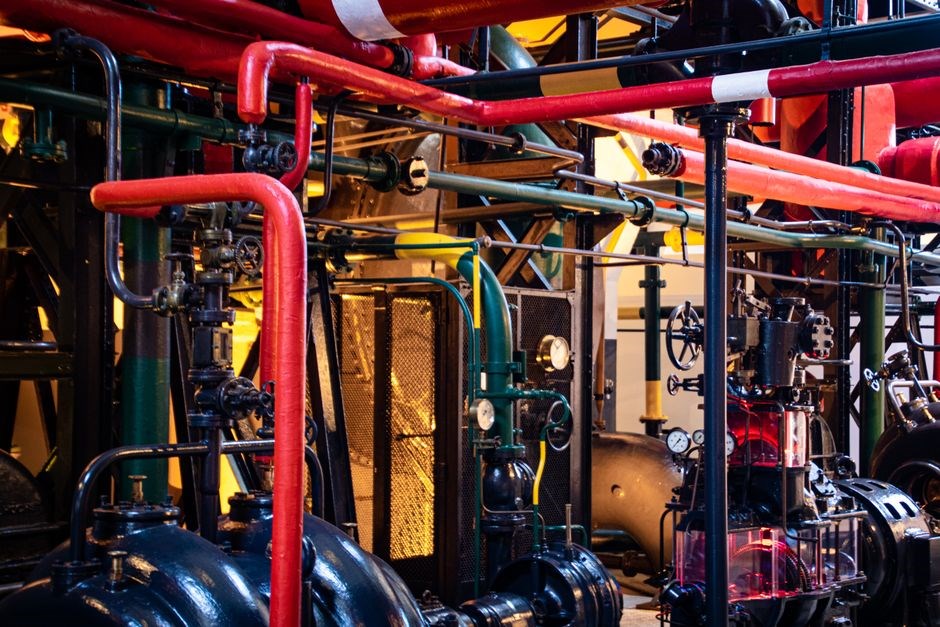
Scope of the Standard
ASME A17.1 covers passenger elevators, escalators, and vertical transportation equipment. It sets design, construction, inspection, and maintenance requirements, excluding non‑transportation machinery. The standard is global, with metric units and safety criteria. 2026 202
Equipment Covered and Excluded
ASME A17.1-2025 defines the scope of equipment subject to its safety provisions. The standard explicitly covers passenger elevators, freight elevators, and passenger escalators, including both conventional and high‑speed models. The code requires that these systems meet rigorous design, construction, and inspection criteria, including structural integrity, electrical safety, and operational reliability. In addition, the standard addresses ancillary equipment such as elevator hoistways, pit structures, counterweight systems, and control panels, ensuring that all components within the elevator or escalator system are evaluated for safety and performance. Conversely, ASME A17.1 excludes non‑transportation machinery, such as industrial lifts not intended for passenger use, and equipment that is not designed for vertical movement, such as horizontal conveyors or non‑vertical hoists. It also does not apply to temporary or portable elevators used for short‑term construction purposes, nor to non‑commercial or private residential elevators that do not meet the threshold of public safety requirements. The standard’s exclusions are designed to focus regulatory attention on systems that pose significant risk to occupants and to maintain clarity in the application of safety provisions. By delineating covered and excluded equipment, ASME A17.1 provides a clear framework for manufacturers, designers, the appropriate regulatory obligations for each type of vertical transportation system.
ASME A17.1 parts: Part 3 – Mechanical. Requirements .
Part 1 – General, Part 2 – Electric, Part 3 – Mechanical
Part 1 – General establishes the foundational framework, defining scope, purpose, and key terminology. It outlines the responsibilities of owners, designers, and inspectors, and sets the baseline safety expectations for all elevator and escalator systems. Part 2 – Electric focuses on the electrical components, covering power supply, wiring, control circuits, and safety devices such as emergency brakes, overspeed governors, and fire‑resistant cabling. It specifies installation methods, grounding requirements, and compliance with national electrical codes. Part 3 – Mechanical addresses the structural and mechanical aspects, including hoistway construction, counterweight systems, braking mechanisms, and mechanical safety devices. It details material specifications, load calculations, and testing procedures to ensure structural integrity and operational reliability. Together, the three parts form a cohesive, integrated standard that guides the entire lifecycle of elevator and escalator equipment, from design through maintenance, ensuring safety, reliability, and regulatory compliance. The code also sets standards for integrating battery backup systems, ensuring operation safety during power outages!

Key Safety and Design Requirements
ASME A17.1 mandates robust safety features:braking, overspeed governors,and redundant power supplies. Design criteria cover load calculations, material strength, and fire‑resistant cabling. Inspection intervals and testing protocols ensure ongoing compliance.
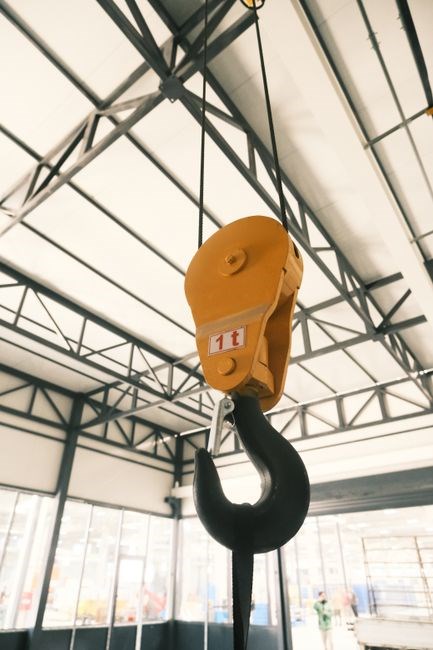
Installation, Construction, and Operational Safety
ASME A17.1-2025 establishes rigorous installation criteria that require certified installers, documented procedures, and traceable material records. Construction rules mandate that all structural components meet specified load ratings, use fire‑resistant materials, and incorporate redundant safety devices such as dual braking systems, emergency power supplies, and automatic door interlocks. Operational safety provisions cover continuous monitoring of elevator performance through built‑in diagnostics, scheduled inspections, and real‑time data logging. The code specifies minimum clearances for cab interiors, guardrail heights, and emergency communication systems. It also requires that all electrical connections comply with the latest electrical standards, that safety cables are protected from abrasion, and that the elevator control logic includes fail‑safe logic to prevent unintended movement. Maintenance protocols demand that operators follow a detailed checklist, perform periodic functional tests, and document any deviations. The standard also addresses accessibility, ensuring that elevators meet ADA requirements, provide audible and visual signals, and accommodate wheelchair users. Overall, the installation, construction, and operational safety sections of ASME A17.1-2025 create a comprehensive framework that protects passengers, staff, and equipment throughout the elevator’s lifecycle. All these measures ensure elevators remain safe compliant with regulations.
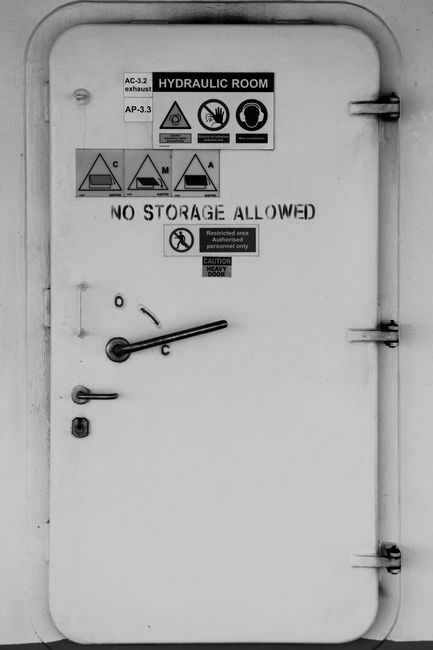
Compliance and Certification Processes
Certification requires an accredited body to inspect installation, perform functional tests, and issue a certificate. The ASME A17.1-2025 mandates periodic re‑inspection every 12 months, with detailed reports and corrective action tracking. 2026.
Inspection, Testing, and Certification Bodies
The ASME A17.1-2025 standard specifies that compliance must be verified by an accredited certification body. These bodies are typically licensed by state or local authorities and must demonstrate expertise in elevator, escalator, and dumbwaiter systems. During the initial inspection, the body evaluates the design documentation, verifies that the equipment meets all structural and electrical requirements, and checks for proper installation of safety devices such as brakes, doors, and emergency communication systems. After installation, functional testing is performed to confirm that the elevator operates within the specified speed, acceleration, and load limits. The certification body records test results, issues a compliance certificate, and schedules periodic re‑inspections in accordance with the 2025 revision. Certification bodies maintain detailed logs of each inspection, including dates, personnel, and any corrective actions taken. These logs are accessible to property owners and regulatory agencies, ensuring transparency and accountability throughout the equipment’s lifecycle. The 2025 revision also introduces a digital reporting requirement, allowing certification bodies to submit inspection data via an online portal. This system facilitates real‑time monitoring and enables rapid response to any safety concerns that may arise during operation.Certification bodies must also submit annual performance reports to the governing authority, ensuring compliance!
Accessing the ASME A17.1 PDF
To obtain the ASME A17.1 PDF, visit the ANSI Webstore, where the 2025 edition is sold as an electronic PDF. Alternative sources include the ASME website’s e‑store and authorized distributors such as e‑Book vendors. Purchase requires a valid account and payment via credit card or PayPal. and update
Official ANSI Webstore and Other Distribution Channels
Accessing the ASME A17.1 PDF begins with the ANSI Webstore, the primary official distributor. The webstore provides the 2025 edition in a downloadable Adobe Acrobat PDF format, complete with a digital signature for authenticity. Users must create an ANSI account, verify credentials, and complete a secure checkout using credit card or PayPal. After payment, the PDF is instantly available for download, and a receipt is emailed. For those who prefer physical copies, the ANSI Webstore offers printed versions in standard and large‑print formats, shipped worldwide; In addition to the ANSI Webstore, the ASME website hosts an e‑store where members can purchase the PDF at a discounted rate. Non‑members may access the PDF through third‑party vendors such as e‑Book distributors, academic libraries, and national standards bodies that license the document. Many universities provide institutional access to the PDF via their library portals, allowing students and faculty to download the standard for research or coursework. Government agencies and contractors often obtain the PDF through procurement portals that bundle multiple standards, including ASME A17.1. Finally, the InternationalOrganization for Standardization (ISO) and the Canadian Standards Association (CSA) offer the standard in their respective catalogs, often in both PDFand printed ensuringglobal accessibility. All distribution channels require a valid license or purchase, and each provides a unique method for obtaining the most current edition of the ASME A17.1 Safety Code for Elevators and Escalators. Access to the PDF is restricted to licensed users; unauthorized distribution is prohibited under copyright law. All rights reserved.
Updates and Revision History
The ASME A17.1 PDF has evolved through multiple editions, with the latest 2025 release expanding scope to include escalators, dumbwaiters, and tech. new Each revision updates safety requirements, technical language, and compliance guidance to reflect industry advances.
Recent Updates: 2025/2026 Editions
ASME A17.1-2025 introduced significant scope expansion, now covering escalators, dumbwaiters, andother vertical transport equipment. The revision incorporates modern safety technologies, such as advanced fire‑resistant materials, smart monitoring systems, andupdated electrical requirements for high‑speed elevators. It also harmonizes metric SI units throughout the code, simplifying international compliance. The 2026 update further refines construction tolerances, enhances accessibility provisions, and adds new guidance on cybersecurity for elevator control systems. These changes reflect industry feedback and regulatory trends, ensuring the standard remains current for manufacturers, inspectors, and owners. The PDF version of the code is available through the ANSI Webstore and other authorized distributors, offering both electronic and printed formats. Users can download the latest edition to stay compliant with the most recent safety regulations and to support certification processes.
The PDF edition is distributed by ANSI and other authorized vendors, providing both electronic and printed copies. Users can access the code through the ANSI Webstore, which offers secure downloads and licensing options. The standard is also available via the ASME e‑Library and through national standards bodies, ensuring widespread accessibility. Compliance with the 2025/2026 code requires adherence to updated testing protocols, certification procedures, and record‑keeping requirements inspectorsand.
References and Further Resources
For deeper insight, consult the official ASME A17.1 PDF via the ANSI Webstore, the ASME e‑Library, and the CSA B44 series. Review the 2025/2026 revision notes, the Joint Committee updates, and related standards such as ISO 25745. These resources support compliance, design, and inspection. See ASME site
Related Standards and Documentation
Key references for ASME A17.1 compliance include the current ASME A17.1‑2025 edition, the parallel CSA B44‑22, and the ASME A17.2 and A17.3 documents covering elevator and escalator components. The Joint Committee on Elevator and Escalator Electrical Equipment (JCEEE) publishes addenda and clarification notes that align electrical requirements with evolving technology. ISO 25745 provides a global framework for energy efficiency in vertical transportation, while ISO 13849 addresses safety‑related control systems. For detailed design guidance, the ASME e‑Library offers supplemental technical papers and case studies. The ASME e‑Library provides downloadable technical reports, inspection checklists, and code interpretation guides. Additionally, the International Organization for Standardization’s ISO 13849‑1 and ISO 13849‑2 standards are essential for integrating safety‑related control systems into elevator and escalator machinery. The National Fire Protection Association’s NFPA 70E and NFPA 101 also intersect with ASME A17.1 requirements, especially regarding electrical safety and life‑saving systems. Finally, the U.S. Department of Transportation’s Federal Transit Administration publishes guidance documents that complement ASME A17.1 for public transit applications. These resources ensure compliance across markets PDF contains annexes detailing compliance verification procedures!