Overview of the Worksheet PDF
This 10-page PDF offers concise chemistry short-answer questions and solutions, covering combustion, synthesis, decomposition, single and double replacement, and acid-base reactions․ A brief instructional video supplements the worksheet, guiding students through reaction types and balancing steps․ Enjoy!!
Content and Page Count
The worksheet PDF, titled “Types of Chemical Reactions – Worksheet Answers,” spans exactly ten pages, each meticulously organized to guide students through the essential concepts of chemical reaction classification and stoichiometric balancing․ The first page introduces the learning objectives and provides a concise glossary of key terms such as “combustion,” “synthesis,” “decomposition,” “single replacement,” “double replacement,” and “acid–base․” Subsequent pages present a series of short‑answer problems that progressively increase in difficulty, ensuring that learners can apply their knowledge to both textbook examples and real‑world scenarios․ Each problem is accompanied by a fully worked solution on the same page, written in a clear, step‑by‑step format that highlights the reasoning behind coefficient adjustments, conservation of mass, and the identification of reaction types․ The layout includes ample white space and numbered sections, allowing students to write their own answers before consulting the provided solutions; In addition to the written content, the PDF contains a QR code linking to a short educational video that visually demonstrates how to balance equations and recognize reaction patterns, reinforcing the written material․ The final page offers a summary checklist for students to self‑assess their understanding, along with a brief reflection prompt encouraging them to consider how these reactions manifest in everyday life․ Overall, the document is designed to be a self‑contained, classroom‑friendly resource that balances instructional depth with accessibility, making it an ideal companion for both teachers and learners seeking a comprehensive review of chemical reaction types and their corresponding answer keys․ The design also incorporates color‑coded reaction categories, with combustion equations highlighted in red, synthesis in blue, and acid–base reactions in green, aiding visual differentiation․ Teachers can easily extract individual sections for targeted practice, and the PDF is fully searchable, allowing quick navigation to specific reaction types․ Students are encouraged to use the margin notes to record alternative balancing strategies, fostering deeper engagement with the material․
Structure of the Answer Key
The answer key is organized by reaction type, each problem followed by a concise solution․ Coefficients are highlighted, explanations note conservation of mass, and a quick reference table summarizes key balancing rules․ Students can review step‑by‑step logic easily․ Use this key to review daily․
Answer Formatting and Explanations
Each answer follows a consistent format that reinforces key learning objectives․ The first line displays the balanced equation, with coefficients highlighted in bold to draw attention to stoichiometric relationships․ Immediately after, a brief justification explains the balancing logic, referencing the law of conservation of mass and charge neutrality․ For combustion reactions, the text notes the complete oxidation of hydrocarbons, while synthesis entries identify the formation of a new compound․ Decomposition solutions emphasize the breakdown of a single reactant into multiple products․ Single‑replacement problems include a short note on the activity series, and double‑replacement entries point out the exchange of ions and the formation of precipitates or gases when applicable․ Acid‑base sections provide the pH calculation steps, indicating the dissociation of acids or bases and the resulting neutralization reaction․ Throughout, the key points are numbered for easy cross‑reference, and a small icon next to each answer signals whether the solution is correct or requires review․ This structured approach not only delivers the correct answer but also teaches students how to articulate the reasoning process, fostering deeper understanding and retention․
Students can use the answer key to practice equations, testing their ability to predict products from reactants and vice versa․ The key encourages learning so by prompting students to verify each step and reflect on underlying chemical principles․
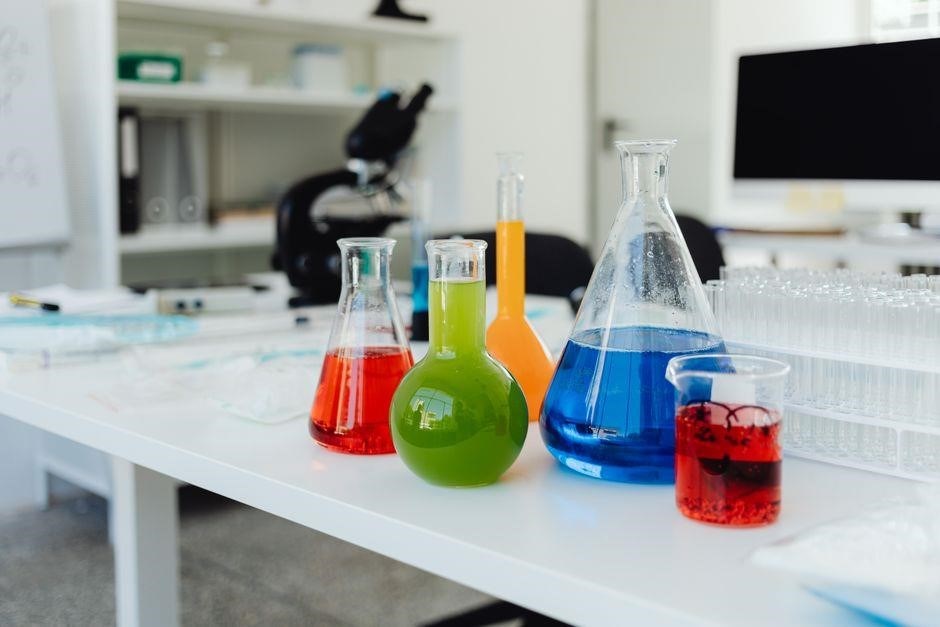
Balancing Combustion Reactions Covered
This section presents balanced equations for complete combustion of alkanes, alkenes, and aromatic hydrocarbons, illustrating stoichiometric coefficients, oxygen usage, and CO₂/H₂O products․ Students learn to apply conservation laws and verify balanced forms․ Includes practice problems for each type daily
Key Examples of Complete Combustion
Methane (CH₄): CH₄ + 2O₂ → CO₂ + 2H₂O․ 2․ Ethane (C₂H₆): C₂H₆ + 3․5O₂ → 2CO₂ + 3H₂O․ 3․ Propane (C₃H₈): C₃H₈ + 5O₂ → 3CO₂ + 4H₂O․ 4․ Butane (C₄H₁₀): C₄H₁₀ + 6․5O₂ → 4CO₂ + 5H₂O․ 5․ Benzene (C₆H₆): C₆H₆ + 7․5O₂ → 6CO₂ + 3H₂O․ 6․ Octane (C₈H₁₈): C₈H₁₈ + 12․5O₂ → 8CO₂ + 9H₂O․ 7․ Propylene (C₃H₆): C₃H₆ + 4․5O₂ → 3CO₂ + 3H₂O․ 8․ Ethylene (C₂H₄): C₂H₄ + 3O₂ → 2CO₂ + 2H₂O․ 9․ Acetylene (C₂H₂): C₂H₂ + 2․5O₂ → 2CO₂ + H₂O․ 10․ Hexane (C₆H₁₄): C₆H₁₄ + 9․5O₂ → 6CO₂ + 7H₂O․ 11․ Butadiene (C₄H₆): C₄H₆ + 6O₂ → 4CO₂ + 3H₂O․ 12․ Pentane (C₅H₁₂): C₅H₁₂ + 7․5O₂ → 5CO₂ + 6H₂O․ 13․ Heptane (C₇H₁₆): C₇H₁₆ + 10O₂ → 7CO₂ + 8H₂O․ 14․ Decane (C₁₀H₂₂): C₁₀H₂₂ + 15․5O₂ → 10CO₂ + 11H₂O․ 15․ Ethyne (C₂H₂): C₂H₂ + 2․5O₂ → 2CO₂ + H₂O․ These balanced equations illustrate the stoichiometric use of oxygen and the formation of CO₂ and H₂O, reinforcing the conservation of mass principle in combustion chemistry․ Students can verify each reaction by counting atoms on both sides and adjusting coefficients as needed to achieve balance․ These examples cover hydrocarbons from simple alkanes to complex alkenes, illustrating how chain length and unsaturation influence oxygen demand․ Practicing these balances helps students master stoichiometry and appreciate energy release during combustion!!
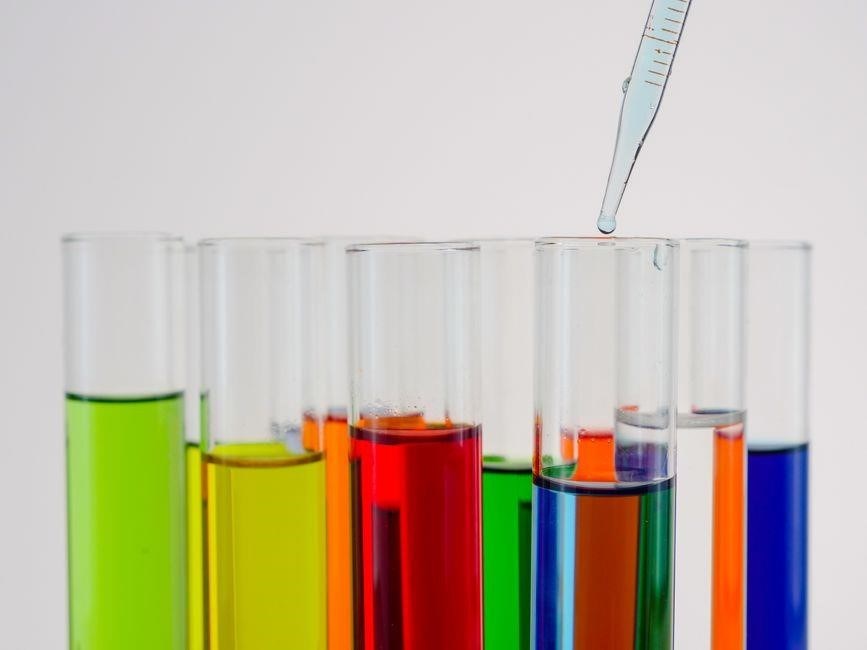
Synthesis and Decomposition Reaction Examples
This worksheet offers balanced synthesis and decomposition equations, such as 2Na + Cl₂ → 2NaCl and 2H₂O → 2H₂ + O₂․ Students solve, verify, and annotate each step, reinforcing stoichiometry and reaction classification skills․ The PDF offers practice problems for each reaction type, aid balance mastery․
Standard Reaction Patterns
Students are encouraged to identify the underlying reaction pattern before balancing, which improves accuracy and speed․ The worksheet includes a quick reference chart that lists the most common patterns: synthesis (A + B → AB), decomposition (AB → A + B), single replacement (A + BC → AC + B), double replacement (AB + CD → AD + CB), and acid‑base neutralization (HA + BOH → BA + H₂O)․
Mastering these patterns lets students solve any reaction confidently, turning practice into skill․
Single Replacement and Double Replacement Reaction Sections
This 10‑page PDF features short‑answer problems on single and double replacement reactions, complete with step‑by‑step solutions․ Students identify reactants, predict products, and balance equations, reinforcing key concepts and exam readiness․
Each problem includes a diagramand concise explanation !
Common Metal and Nonmetal Substitutions
In the worksheet, students encounter a series of single‑replacement scenarios where a more reactive metal displaces a less reactive one from its compound․ Typical examples include zinc displacing copper from copper(II) sulfate, and iron replacing lead in lead(II) nitrate․ The problems emphasize the activity series, prompting learners to order metals from most to least reactive and justify each substitution․ Nonmetal substitutions are also featured; for instance, chlorine replaces fluorine in a hypothetical reaction with a metal halide, and oxygen displaces hydrogen in the formation of water from hydrogen gas․ Each question requires the student to write the balanced equation, identify the oxidation states of the reacting species, and determine whether the reaction is spontaneous under standard conditions․ The answer key provides step‑by‑step reasoning, highlighting the role of electron transfer and the importance of the standard reduction potentials․ By working through these examples, students reinforce their understanding of redox principles and the practical application of the activity series in predicting reaction outcomes․
The worksheet also includes a quick quiz section where students match metal pairs to their displacement potential, and a short explanation of why noble gases never participate in replacement reactions․ Additionally, the answer key explains the concept of limiting reactants in these reactions, ensuring students grasp the quantitative aspect of chemical equations․ The problems are designed to align with common high‑school curricula, making them suitable for both classroom use and independent study․
For nonmetal examples, the worksheet presents sodium reacting with water to displace hydrogen, producing sodium hydroxide and hydrogen gas․ Students balance the equation and identify the products․ Another case involves sulfur displacing oxygen in the combustion of methane, illustrating the broader scope of replacement reactions beyond metals․ These problems help students see how electron transfer governs both metal and nonmetal displacements, reinforcing the underlying principles of chemical reactivity․
Inclusion of Acid-Base Reaction Problems
This PDF features 5 acid‑base questions, each with balanced equations, pH calculations, and neutralization steps․ Students solve for [H⁺] and [OH⁻], then determine final pH after mixing acids and bases․ Answers include detailed explanations․ Very useful․ Now
pH and Neutralization Calculations
This section focuses on precise pH determination and neutralization dynamics within the worksheet․ Each problem presents a balanced acid–base reaction, followed by a step‑by‑step calculation of initial concentrations, ionization constants, and resulting pH․ Students are guided to apply the Henderson–Hasselbalch equation for buffer systems, compute the pOH, and convert to pH, ensuring a comprehensive understanding of acid–base equilibria․
Neutralization exercises require students to combine stoichiometric amounts of strong acids and bases, then calculate the excess reagent concentration․ The worksheet includes scenarios where the acid is in excess, yielding a final pH below 7, and cases where the base dominates, producing a pH above 7․ Each solution demonstrates the use of the formula pH = 14 – pOH and highlights common pitfalls such as neglecting activity coefficients․
To reinforce conceptual learning, the answers provide detailed explanations of each calculation step, including the derivation of equilibrium expressions, the use of log tables, and the interpretation of results․ Visual aids such as pH–titration curves illustrate how the pH changes during the titration process, offering students a clear picture of the underlying chemistry․
Overall, this portion of the worksheet equips students with the analytical tools necessary to tackle real‑world acid–base problems, fostering confidence in both manual calculations and conceptual reasoning․ (See sol․ now)
Supplementary Resources and Multimedia Integration
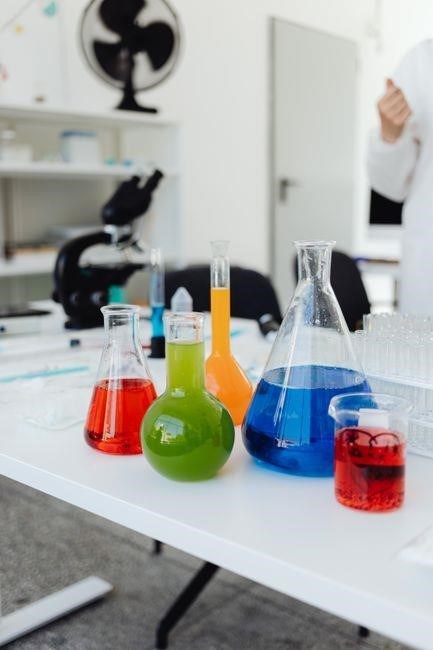
This PDF links to an interactive video, animated reaction diagrams, and downloadable practice quizzes․ Students can click embedded links to explore real‑time simulations, reinforcing concepts through visual and hands‑on engagement․ and quizzes!!!
Educational Video and Interactive Elements
The accompanying video, lasting just under five minutes, walks viewers through the fundamentals of chemical reaction types, emphasizing the visual differences between synthesis, decomposition, combustion, and replacement processes․ It uses dynamic animations to illustrate how atoms rearrange, how energy is absorbed or released, and how stoichiometric coefficients are determined․ Interactive hotspots embedded within the video pause the animation and prompt the learner to predict the next step, then reveal the correct answer with a brief explanation․ Following the video, the PDF offers a series of clickable quizzes that test the student’s ability to identify reaction classes, balance equations, and predict products․ Each quiz question is accompanied by instant feedback and a short video clip that reinforces the concept․ The multimedia package also includes a downloadable worksheet that can be printed or filled electronically, allowing teachers to integrate the material into classroom activities or online learning platforms․ With these tools, students gain a deeper, hands‑on understanding of chemical reactions, moving beyond rote memorization to active problem solving․ The resource is designed for ages 14–18, aligning with high‑school chemistry curricula and providing a scaffolded learning experience that supports diverse learning styles․ The combination of visual storytelling, interactive practice, and immediate feedback makes this PDF a powerful supplement for mastering the types of chemical reactions․ The resource also features drag‑and‑drop activities where students match reactants to products, reinforcing the conservation of mass․ A built‑in calculator allows learners to input coefficients and instantly see whether the equation balances, providing a visual representation of the balancing process․ Links to external simulations demonstrate reaction kinetics and equilibrium!!!