
Understanding Emergency Brakes in Manual Transmission Vehicles
Emergency brakes offer a crucial, independent stopping method for manual cars, mechanically clamping rear wheels or utilizing sensors for automatic braking assistance.
What is an Emergency Brake?
The emergency brake, often called the parking brake, is a secondary braking system designed for use when the primary service brakes fail or require assistance. In manual transmission vehicles, it typically operates mechanically, applying force directly to the rear wheels via cables. Unlike the hydraulic service brakes, it provides a fail-safe stopping method. Modern systems can also integrate with sensors for automatic emergency braking (AEB), offering an additional layer of safety. It’s essential for securing the vehicle when parked, especially on inclines, preventing unwanted rolling.
The Primary Function: Parking
While named an “emergency” brake, its most frequent use is securing a vehicle when parked. For manual transmission cars, engaging the emergency brake prevents rolling, especially on hills. Combining it with placing the car in reverse adds an extra safety measure. Automatic transmissions have a “Park” position, but the emergency brake still provides redundant security. Consistent use when parking minimizes strain on the transmission and ensures the vehicle remains firmly in place, regardless of the terrain or incline.
Emergency Brake vs. Service Brake
The service brake, your primary pedal, utilizes the hydraulic system for controlled stops. Conversely, the emergency brake is a separate, often mechanical, system. It’s designed as a fail-safe, functioning when the hydraulic system fails or requires additional stopping power. Modern vehicles may integrate sensors for Automatic Emergency Braking (AEB), supplementing both systems. The emergency brake generally applies to the rear wheels, offering a different braking dynamic than the service brake’s all-wheel engagement.
How the Emergency Brake System Works (Manual Transmission)
Typically, a mechanical linkage or cables activate the rear brakes; less commonly, hydraulic systems are used, providing a separate stopping force.
Mechanical Linkage to Rear Wheels
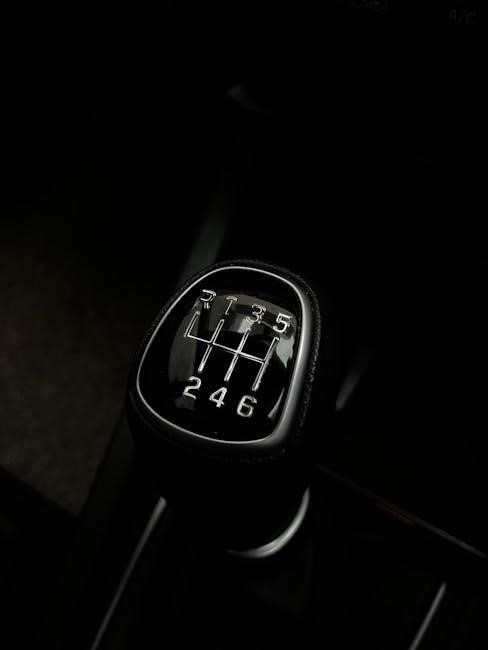
The traditional emergency brake relies on a direct mechanical connection. When the lever is pulled, it activates a series of cables and rods extending to the rear brakes. These components physically force the brake shoes or pads against the rear brake drums or rotors, creating friction and slowing the vehicle. This system operates independently of the hydraulic service brakes, offering a vital backup. The simplicity of this design ensures functionality even if the primary braking system fails, providing a reliable safety measure for manual transmission vehicles.
Cable-Operated Systems
Cable-operated systems are the most common mechanical linkage found in many vehicles with manual transmissions. Durable steel cables transmit the force from the emergency brake lever to the rear brakes. These cables run within a protective sheath to prevent fraying and ensure smooth operation. Regular inspection and lubrication of these cables are crucial for maintaining optimal performance and preventing sticking or breakage. Proper cable tension is also vital for effective emergency braking, requiring periodic adjustments.
Hydraulic Systems (Less Common)
While less prevalent in manual transmission vehicles, some utilize hydraulic emergency brake systems. These systems tap into the vehicle’s primary braking hydraulics, applying force to the rear brakes via a separate circuit. This setup often provides more consistent braking force compared to cable systems. However, diagnosing issues can be more complex, requiring specialized tools and knowledge. These systems are typically found in higher-end or performance-oriented manual cars, offering a refined braking experience.
Using the Emergency Brake in Normal Driving
Gentle emergency brake application can assist on slight inclines, but prolonged use at speed is discouraged due to potential instability and wear.
Gentle Application for Slight Holds
When momentarily pausing on a gentle incline, a light application of the emergency brake can provide a secure hold without fully engaging the parking mechanism. This technique allows for a brief respite without excessive strain on the transmission or clutch. Remember to coordinate this with controlled pedal work, maintaining awareness of the vehicle’s balance. Avoid relying solely on the emergency brake for extended periods, as it’s designed for temporary assistance, not sustained holding power. Smoothness is key; jerky applications can cause unwanted vehicle movement or component stress.
Avoiding Prolonged Use at Speed
Engaging the emergency brake while moving at higher speeds is strongly discouraged in manual transmission vehicles. Prolonged use can induce instability, potentially leading to skidding or loss of control due to the rear wheels locking up. It’s designed as a supplemental system, not a replacement for the primary service brakes. Consistent application at speed generates excessive heat and wear on the emergency brake components. Prioritize utilizing the regular braking system for deceleration, reserving the emergency brake for genuine emergencies or secure parking.

Emergency Braking Procedures (Manual Transmission)
Clutch engagement is paramount during emergency braking in a manual car; combine it with controlled brake pressure and strategic downshifting for optimal stopping.
The Clutch-First Approach
In a manual transmission emergency, immediately depressing the clutch disengages the engine from the wheels, preventing stalling and allowing for brake application without engine drag. This crucial step maintains steering control during abrupt stops. Prioritizing the clutch prevents potential engine seizure or loss of power steering assistance. Simultaneously applying the brakes, even lightly at first, initiates deceleration. Remember, the goal is controlled stopping, not locking the wheels. This technique allows for smoother, more predictable emergency braking, especially vital on slippery surfaces or at higher speeds, ensuring driver control and minimizing risk.
Braking Technique: Gradual vs. Abrupt
The ideal emergency braking technique depends on the situation. A gradual, controlled application is preferable for maintaining steering control and avoiding skidding, especially on loose surfaces. However, if a collision is imminent, an abrupt, full-force brake application is necessary, even if it locks the wheels. Remember to modulate pressure if ABS is present. The clutch-first approach remains vital in either scenario. Prioritize steering towards a safe escape route while braking, and avoid fixating on the hazard ahead. Assess conditions quickly to choose the most effective method.
Downshifting During Emergency Braking
Downshifting during emergency braking in a manual transmission provides engine braking, supplementing the wheel brakes and reducing stopping distance. Simultaneously depress the clutch and brake, then progressively downshift while releasing the clutch smoothly. Avoid abrupt downshifts that could cause wheel lockup or loss of control. This technique utilizes the engine’s resistance to slow the vehicle, but prioritize maintaining steering control. Remember, the clutch-first approach is crucial to prevent stalling during this process, ensuring continued braking power.

Emergency Brake and Hill Starts (Manual Transmission)
Coordinating the clutch, brake, and accelerator prevents rollback on hills; smoothly transition from brake to gas while releasing the clutch for a controlled start.
Coordinating Clutch, Brake, and Accelerator
Mastering hill starts in a manual transmission requires precise coordination. Hold the brake firmly with one foot, engaging the emergency brake for added security. Slowly release the brake pedal while simultaneously depressing the accelerator. As the engine begins to pull, smoothly release the clutch. This delicate balance prevents rollback and ensures a controlled, confident start. Practice is key to developing muscle memory for seamless transitions, avoiding stalling or jerking motions. Remember, the goal is a fluid transfer of power from the engine to the wheels, minimizing stress on both the vehicle and the driver.
Preventing Rollback
Rollback, the dreaded backward slide on inclines, is easily managed with proper technique. The emergency brake is your primary ally, providing a secure hold. Maintain firm pressure on the brake pedal while engaging the emergency brake fully. This creates a dual-locking system, effectively neutralizing gravity’s pull. As you introduce power with the accelerator, gradually release both brakes in unison. This coordinated action prevents any backward movement, ensuring a smooth and controlled launch uphill. Consistent practice builds confidence and minimizes rollback risk.
Smooth Transitions
Achieving seamless transitions from the emergency brake to acceleration requires finesse. The key is synchronization – a delicate balance between clutch control, brake release, and throttle application. Gradually disengage the emergency brake as you simultaneously release the clutch and gently press the accelerator. Avoid abrupt movements; a smooth, progressive release prevents jerking or stalling. Practice this coordination to develop muscle memory, ensuring a fluid and confident start on inclines. Mastering this skill enhances driving comfort and control.
Troubleshooting Common Emergency Brake Issues
Common problems include sticking brakes, cable adjustments, and worn brake shoes/pads, requiring inspection and potential repair to maintain optimal emergency stopping power.
Sticking Emergency Brake
A sticking emergency brake is a frequent issue, often caused by corrosion, debris, or lack of lubrication within the cable and linkage system. This can manifest as difficulty releasing the brake fully, leading to drag and potential overheating. Inspect the cables for bends or kinks, and check where they interface with the brake shoes. Moisture accumulation exacerbates the problem, so regular maintenance is vital. Ignoring a sticking brake not only reduces braking efficiency but also causes premature wear on brake components and potentially compromises vehicle safety, demanding prompt attention.
Cable Adjustment
Proper cable adjustment is critical for optimal emergency brake function in manual transmission vehicles. Over time, cables stretch, leading to reduced braking force or excessive travel. Adjustment typically involves tightening a nut on the cable equalizer, ensuring even tension on both rear brakes. Avoid over-tightening, which can cause constant drag and heat buildup. Regularly check the lever travel; ideally, it should require moderate force to engage fully. Correct adjustment guarantees effective stopping power when needed and prevents unnecessary wear on the braking system.
Brake Shoe/Pad Inspection
Regularly inspecting brake shoes (drum brakes) or pads (disc brakes) connected to the emergency brake system is paramount for safety. Worn components significantly diminish stopping capability. Check for sufficient friction material; minimal remaining material necessitates immediate replacement. Inspect for damage like cracks, glazing, or uneven wear. For drum brakes, assess the drum’s inner surface for scoring. Proper maintenance ensures the emergency brake effectively engages, providing a vital backup stopping system, especially crucial in manual transmission vehicles.

Emergency Brake Maintenance
Consistent inspections, cable lubrication, and proper adjustments are vital for maintaining the emergency brake’s effectiveness, ensuring reliable operation in manual transmission vehicles.
Regular Inspections
Routine checks of your emergency brake system are paramount for safety and functionality. Visually inspect the cables for fraying, corrosion, or kinks – any damage compromises its integrity. Test the brake’s holding power on a slight incline, ensuring it securely prevents rollback.
Confirm the lever or pedal travels the correct distance before engaging fully. Listen for unusual noises during operation, which could indicate sticking components or cable issues. Don’t neglect the rear brake shoes or pads; they’re integral to the system’s performance and require periodic assessment for wear and tear, especially in manual transmission cars.
Cable Lubrication
Maintaining lubricated emergency brake cables is vital for smooth operation and preventing corrosion. Apply a cable lubricant specifically designed for brake systems – avoid using general-purpose oils, as they can attract dirt and grime. Carefully route the lubricant along the entire cable length, ensuring it penetrates the housing.
This reduces friction, allowing for easier engagement and disengagement. Regularly lubricating the cables, particularly in manual transmission vehicles prone to frequent use, extends their lifespan and ensures reliable performance when you need it most. Inspect for any resistance after lubrication.
Adjustment Procedures
Proper emergency brake adjustment is crucial for optimal performance in manual transmission vehicles. Begin by loosening the lock nut on the equalizer, then adjust the cable tension until the brake engages firmly with a few clicks. Ensure equal tension on both rear wheels for balanced braking.
Tighten the lock nut securely after adjustment. Regularly check and readjust as needed, especially after brake shoe or pad replacement. Incorrect adjustment can lead to ineffective braking or excessive wear.
The Role of the Emergency Brake in Different Scenarios
The emergency brake aids in unexpected stops, mechanical brake failures, and secure parking on inclines, providing a vital safety net for manual transmission drivers.
Unexpected Stops
In sudden, unforeseen situations demanding immediate deceleration with a manual transmission, a specific technique is crucial. Prioritize depressing the clutch pedal before applying the emergency brake, preventing potential engine stalling. Simultaneously, apply firm, yet controlled, pressure to the emergency brake lever. This coordinated action allows for a safer, more controlled stop, minimizing the risk of losing vehicle control. Remember, gradual application is preferable to abrupt jerking, especially at higher speeds. This method ensures the vehicle slows effectively while maintaining stability, offering a vital safety measure when standard braking is compromised or insufficient.
Mechanical Brake Failure
Should your primary braking system fail while driving a manual transmission vehicle, the emergency brake becomes your lifeline. Immediately depress the clutch pedal to disengage the engine from the wheels, preventing stalling during emergency braking. Then, gradually and firmly engage the emergency brake, maintaining control. Downshifting can provide engine braking assistance, further slowing the vehicle. Be prepared for a less responsive and potentially longer stopping distance compared to the service brakes. Prioritize steering control while braking, and seek a safe place to pull over immediately after stopping.
Parking on Inclines
When parking a manual transmission vehicle on an incline, engage the emergency brake firmly before releasing the service brake. This prevents rollback, a critical safety measure. After applying the emergency brake, confirm it securely holds the vehicle. Select the appropriate gear – first for uphill inclines, reverse for downhill. This adds an extra layer of security against unintended movement; Remember to release the emergency brake fully before driving to avoid brake drag and potential damage.
Emergency Brake and Automatic Transmission Comparison
Automatic transmissions feature a ‘Park’ position locking the output shaft, while manual cars rely on the emergency brake for secure parking and stopping.
Differences in Application
The application of the emergency brake differs significantly between manual and automatic transmissions. In a manual vehicle, engaging the emergency brake during an emergency requires a specific technique – clutch disengagement is paramount to prevent stalling. This allows for controlled braking without engine interference. Conversely, automatic transmissions utilize the ‘Park’ position to mechanically lock the drivetrain, offering a simpler, albeit less nuanced, stopping method. While both systems aim for secure immobilization, the manual system demands driver skill and coordination, while the automatic prioritizes ease of use and mechanical locking.
Park Position Functionality (Automatic)
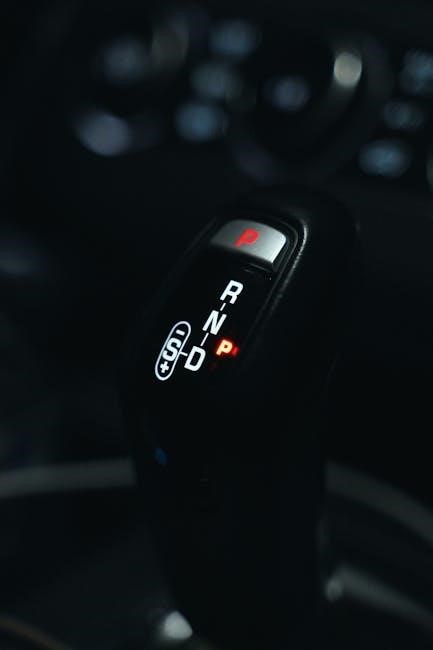
In automatic transmissions, the ‘Park’ position mechanically locks the output shaft via a pin within the transmission itself. This provides a robust immobilization, independent of the braking system. However, relying solely on ‘Park’ on an incline is discouraged; it places stress on the locking mechanism. The emergency brake, even with an automatic, remains vital for secure parking, especially on slopes, supplementing the ‘Park’ position and preventing vehicle roll. It’s a crucial safety measure, ensuring complete immobilization.
Advanced Techniques & Considerations
Mastering emergency brake turns requires caution; understand brake fade’s impact, and recognize how ABS interacts with the emergency brake for optimal control.
Emergency Brake Turns (Drifting ⏤ Caution!)
Initiating an emergency brake turn, often associated with drifting, demands extreme caution and skilled execution. This maneuver involves momentarily applying the emergency brake during a turn, disrupting the rear wheels’ grip and inducing oversteer. However, it’s crucial to understand this is an advanced technique best practiced in controlled environments, like a racetrack, under professional guidance. Improper execution can lead to loss of control, potentially causing accidents.
Factors like speed, road conditions, and vehicle weight significantly influence the outcome. Always prioritize safety and avoid attempting this on public roads; it’s inherently risky and potentially illegal.
Understanding Brake Fade
Brake fade, a reduction in braking performance, occurs due to excessive heat buildup within the braking system. Repeated or prolonged braking, especially during descents, elevates temperatures, diminishing the friction coefficient of brake pads and rotors. This is particularly relevant with the emergency brake, as aggressive use can exacerbate the issue.
Manual transmission drivers must be mindful of downshifting to assist braking, reducing reliance on the brakes alone. Recognizing the signs of fade – a spongy pedal or reduced stopping power – is crucial for safe driving.
ABS Interaction with Emergency Brake
Modern vehicles equipped with Anti-lock Braking Systems (ABS) interact uniquely with the emergency brake. Activating the emergency brake may override or modulate ABS functionality, depending on the system’s design and the force applied. Generally, a gentle application allows ABS to continue operating, enhancing control.
However, forcefully engaging the emergency brake can disengage ABS, potentially leading to wheel lockup, especially on slick surfaces. Understanding your vehicle’s specific ABS and emergency brake interaction is vital for safe emergency maneuvers.
Safety Precautions
Avoid sudden, harsh emergency brake applications; know your vehicle’s limits and seek professional inspections to ensure optimal functionality and prevent potential hazards.
Avoiding Sudden, Harsh Applications
Jerking the emergency brake, especially at speed, can induce a loss of control, potentially leading to skidding or even a spin. Smooth, gradual engagement is paramount for maintaining stability. Remember the clutch-first approach during emergencies; this prevents stalling and maximizes braking effectiveness. Harsh applications can also strain the emergency brake system’s components, causing premature wear or failure. Prioritize controlled deceleration over abrupt stops, and always be mindful of road conditions and surrounding traffic. Practice gentle application to build confidence and refine your technique.
Knowing Your Vehicle’s Limits
Each vehicle responds differently to emergency braking, influenced by weight, tire condition, and suspension setup. Understand how your manual transmission car behaves under pressure. Familiarize yourself with the emergency brake’s responsiveness – is it progressive or grabby? Avoid exceeding the system’s capabilities, as this can negate its effectiveness. Consider factors like road surface (wet, icy, gravel) which dramatically impact braking distances. Regular practice in a safe, controlled environment builds crucial awareness and confidence in your vehicle’s handling characteristics.
Professional Inspection
Regular professional inspections are vital for maintaining a functional emergency brake system in your manual transmission vehicle. A qualified mechanic can thoroughly assess cable tension, brake shoe/pad wear, and linkage integrity. They’ll identify potential issues like sticking mechanisms or corrosion before they escalate into safety hazards. Don’t solely rely on self-checks; a professional’s expertise ensures all components operate optimally. Prioritize inspections alongside routine maintenance to guarantee reliable emergency stopping power and overall vehicle safety.
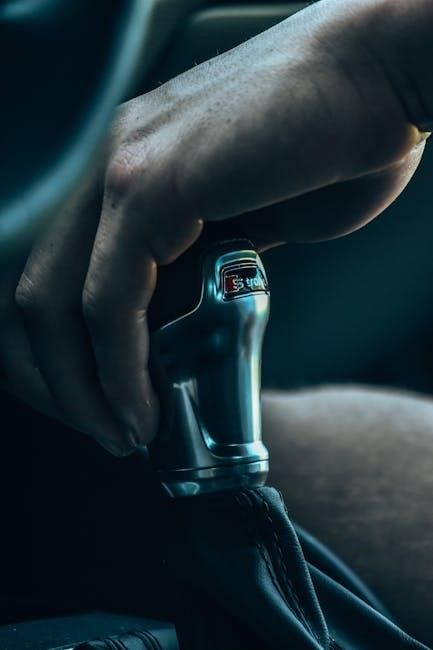
Modern Emergency Brake Systems
Electronic Parking Brakes (EPB) now commonly assist or replace traditional cables, offering automated application and integration with vehicle stability systems in manual cars.
Electronic Parking Brakes (EPB)
EPB systems represent a significant advancement over traditional cable-operated emergency brakes, utilizing electric motors to apply the braking force directly to the rear calipers. In manual transmission vehicles, EPB operation remains largely consistent with automatic counterparts; activation typically occurs via a switch or button. These systems often integrate with the vehicle’s stability control, potentially assisting in emergency maneuvers. Furthermore, EPBs can automatically release upon detecting forward motion when driving, enhancing convenience and safety. Modern EPBs also frequently feature automatic engagement on inclines, preventing rollback.
EPB Operation in Manual Transmissions
While seemingly complex, EPB functionality in manual cars mirrors its operation in automatics – a simple switch activates the system. However, drivers must be mindful of coordinating the EPB with the clutch during hill starts to prevent rollback. Unlike traditional brakes, EPBs don’t offer gradual engagement; it’s typically fully on or off. This necessitates smooth clutch control and accelerator application for seamless transitions. Modern systems often include hill-hold assist, automating this process for added convenience and safety during uphill starts.
The Future of Emergency Braking
Advanced systems integrate Automatic Emergency Braking (AEB) and predictive technologies, enhancing safety and potentially reducing reliance on manual emergency brake intervention.
Automatic Emergency Braking (AEB) Integration
The integration of Automatic Emergency Braking (AEB) systems with manual transmission vehicles represents a significant advancement in automotive safety. Modern AEB utilizes sensors – radar, cameras, or lidar – to detect potential collisions. Unlike traditional emergency brakes requiring driver input, AEB can autonomously apply the brakes, mitigating or preventing accidents.
In manual cars, AEB systems often work in conjunction with the existing braking system, potentially overriding manual control if a collision is imminent. This creates a layered safety net, offering an extra level of protection. However, understanding how AEB interacts with a manual transmission is crucial for drivers, ensuring they don’t inadvertently counteract the system’s intervention.
Predictive Emergency Braking Systems
Predictive Emergency Braking Systems represent the next evolution in collision avoidance technology, going beyond reactive AEB. These systems analyze data from various sources – GPS, maps, and vehicle sensors – to anticipate potential hazards before they become immediate threats. For manual transmission vehicles, this means the system can pre-charge the brakes or even provide a warning to the driver to prepare for a stop.
This proactive approach is particularly beneficial in scenarios like approaching intersections or curves where visibility is limited. While still developing, predictive braking aims to enhance safety by giving drivers more time to react or allowing the system to intervene more effectively.